The Battle of Sole Bay, 1672
Adnams Broadside
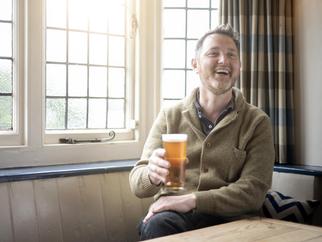
Broadside was first brewed in 1972 to mark the three-hundred year anniversary of the Battle of Sole Bay. Brewed with Pale Ale malt and First Gold hops, Broadside is a dark ruby red beer, rich in fruitcake aromas, almonds and conserved fruit.

The Burning of the Royal James at the Battle of Solebay, 1672, by Willem van de Velde the younger. De Ruyter's flagship De Zeven Provinciën is shown in the left background in close combat with the Vice-Admiral of the Blue, Sir Joseph Jordan on Royal Sovereign. The ship to the right of the burning Royal James is that of Vice-Admiral Johan de Liefde.
In July 2010, the residents of Southwold were reminded of our country’s war-ridden history. A live WWII anti-tank mine was discovered on the beach below the Sailor’s Reading room. The beach level had dropped by several meters due to scouring, revealing the long-buried danger. Bomb Disposal experts from The Royal Navy safely detonated the mine, to much cheering and applause from onlookers on the cliffs above.
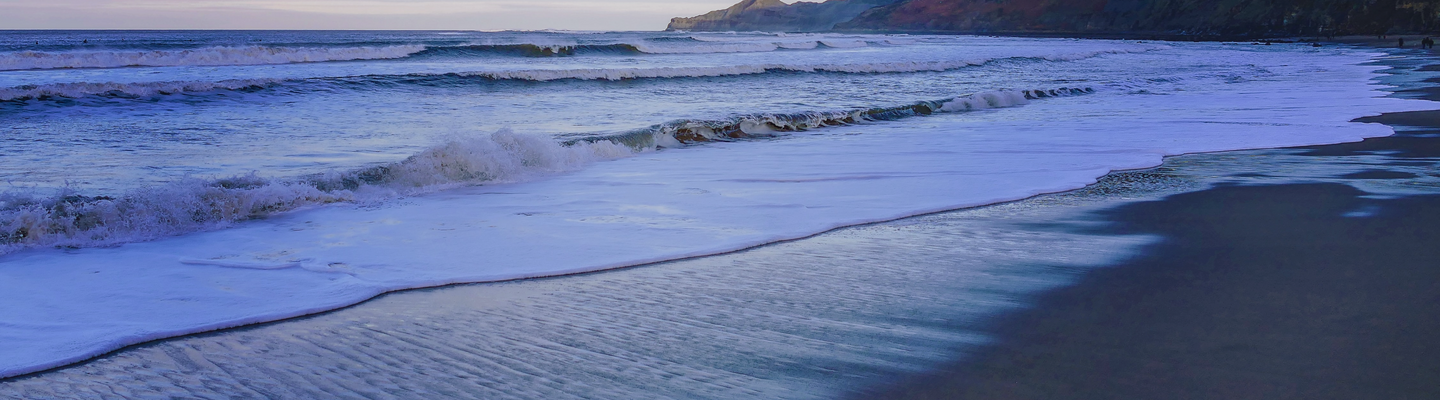
338 years prior to this, the sound of muskets and canon-fire would have been heard from Southwold’s cliffs and beaches. In the 17th century, Southwold was England’s main fleet anchorage, and in 1672 was the hub of a major battle between an allied English / French fleet and the Dutch during the Battle of Sole Bay. Today, there’s not much evidence of a bay; erosion has straightened out the coastline.
Why did the Battle of Sole Bay take place?
The Battle of Sole Bay was the first Naval battle of the Third Anglo-Dutch war. The Dutch Republic has built up a lucrative trade with Asia through the establishment of the Dutch East India Company, and had created a series of trading posts, forts and garrisons. All of their merchant vessels were heavily defended due to the valuable nature of their cargo.
Eager to get a share of the wealth, Charles II, King of England, felt that the destruction of the Dutch fleet would allow English ships to seize the Dutch cargos, and take the Dutch nation’s place in the trade.
Where did the French fit in?
The French had declared war on the Dutch, and it was intended that French troops would be landed in Holland. To do this, the Dutch fleet would have to be destroyed, so Charles II entered into an alliance with France.
Why did the battle take place at Sole Bay?
The allied fleet had assembled in Sole Bay to carry out repairs and take on supplies before moving on to a strategic position to blockade the Dutch ports. The Dutch contingent had already made one foray to find the English fleet, but arrived in the Medway in thick fog, allowing the English, who were unaware of the Dutch presence, to sail north to Southwold.
In the early hours of 28th May, 1672, a French frigate sailed into the bay with the news that the Dutch fleet had been sighted and were just a few hours away. Most of the crews were enjoying shore leave in the various taverns and inns of Southwold, Dunwich and Walberswick when battle was declared. It took the Baliffs and a drummer boy four hours to clear the sailors out of the taverns and back on to their ships.
Who’s who

The skirmish of Michiel Adriaensz de Ruyter against the Duke of York, commanding the 'Royal Prince' during the Battle of Solebay, by Willem van de Velde (II). Source: Wikipedia
The Dutch fleet was under the command of Admiral Michiel Adriaenzoon de Ruyter aboard the ship Zeven Provincien. The Admiral played a significant part in all three of the Anglo-Dutch wars. He commanded around 75 ships, 36 fireships*, 4,484 guns and around 20,732 men. His Lieutenant Admirals were Adriaen Banckert and Willem Joseph van Ghent.
The Anglo-French fleet was under the command of James, Duke of York, later to become James II, aboard the Royal Prince as Admiral of the Red. His side-lieutenants were Edward Montagu, Earl of Sandwich, Admiral of the Blue, aboard the newest and biggest ship in the English fleet, the Royal James. On the French side was Comte Jean II d’Estrées, Admiral of the White, aboard Sainte Philippe. The allied fleet had around 71 ships, plus frigates and fireships*, over 5,500 guns and 24,000 men.
James, Duke of York, and the Earl of Sandwich, had both spent the night prior to the battle at their Headquarters, Sutherland House, in Southwold’s High Street (one of the few buildings to have escaped the terrible fire of 1659).
The battle

French ship Saint-Philippe, of 78 guns, at the Battle of Solebay. Source: Wikipedia
By the time most of the sailors were rounded up and the ships were ready to put to sea, it was 5.30am. The French fleet, anchored off Dunwich, were intended to be in front, but the approach by the Dutch from an unexpected direction meant that they found themselves in the rear. Interestingly, the French fleet turned south, away from the battle, but they were pursued by Banckert who inflicted heavy casualties. It is thought that Louis XIV had given secret orders to Vice Admiral Comte d’Estrées to avoid battle if he could, in the hope that the English and Dutch would destroy each other to the benefit of the French. However, towards the end of the battle, the French responded to the firing from Banckert, and headed north again in pursuit of the Dutch.
The Dutch had divided their fleet into small units, and by 8am, the English fleet had become spread out and individual ships became easy targets to pick out. The English were unable to form tight formations and therefore couldn’t deliver effective broadsides. The Earl of Sandwich’s flagship, the Royal James, was attacked by Groot Hollandia (captained by Jan van Brakel) which attached itself to the Royal James and repeatedly canoned the hull. The Earl ordered parties from other ships to board the Groot Hollandia, forcing the Dutch captain to cut the lines and retreat. The Royal James drifted away, sinking, and was attacked by several fireships. The ship burnt with a great loss of life. The Earl’s body was found weeks later, only recognisable by his scorched clothing still bearing the Order of the Garter.
The Duke of York had to move his flag (of course, he was a prime target for the Dutch) twice – from the vessels Prince, St Michael, and finally to London.
The battle lasted for most of the day, and in the thick smoke, noise and confusion, losses were heavy. It ended at sunset, where the failing light and the possible return of the French caused the Dutch fleet to withdraw. The Dutch lost two ships and 1,800 men, the English lost two ships and about 2,000 men. For weeks afterwards, the Southwold Chamberlain’s accounts record payments of a shilling to anyone who found and buried the body of a drowned sailor. Over 800 wounded men from all sides were landed at Southwold.
Both sides claimed victory, but the Dutch probably gained most from the encounter. The Dutch lost four vessels (two were captured as prizes, one was sunk, the other blew up) but they had successfully prevented the English fleet from blockading the Dutch ports and couldn’t support a French landing off Holland.
*Fireships
Fireships were a major part of the fleet. They were sailed or rowed alongside an enemy vessel, then set on fire, with the crew escaping in a small boat. As canons couldn’t penetrate underwater successfully, the only way to destroy or capture a ship was either to board it or set it on fire.
References and further information on the Battle of Sole Bay
http://en.wikipedia.org/wiki/Battle_of_Solebay
http://www.southwoldmuseum.org/war_battleofsolebay.htm
http://www.ship-wrecks.co.uk/BattleofSOLEBAY.htm
Adnams Broadside and the Battle of Sole Bay
The Battle of Sole Bay, 1672
Adnams Broadside
Broadside was first brewed in 1972 to mark the three-hundred year anniversary of the Battle of Sole Bay. Brewed with Pale Ale malt and First Gold hops, Broadside is a dark ruby red beer, rich in fruitcake aromas, almonds and conserved fruit.
The Burning of the Royal James at the Battle of Solebay, 1672, by Willem van de Velde the younger. De Ruyter's flagship De Zeven Provinciën is shown in the left background in close combat with the Vice-Admiral of the Blue, Sir Joseph Jordan on Royal Sovereign. The ship to the right of the burning Royal James is that of Vice-Admiral Johan de Liefde.
In July 2010, the residents of Southwold were reminded of our country’s war-ridden history. A live WWII anti-tank mine was discovered on the beach below the Sailor’s Reading room. The beach level had dropped by several meters due to scouring, revealing the long-buried danger. Bomb Disposal experts from The Royal Navy safely detonated the mine, to much cheering and applause from onlookers on the cliffs above.
338 years prior to this, the sound of muskets and canon-fire would have been heard from Southwold’s cliffs and beaches. In the 17th century, Southwold was England’s main fleet anchorage, and in 1672 was the hub of a major battle between an allied English / French fleet and the Dutch during the Battle of Sole Bay. Today, there’s not much evidence of a bay; erosion has straightened out the coastline.
Why did the Battle of Sole Bay take place?
The Battle of Sole Bay was the first Naval battle of the Third Anglo-Dutch war. The Dutch Republic has built up a lucrative trade with Asia through the establishment of the Dutch East India Company, and had created a series of trading posts, forts and garrisons. All of their merchant vessels were heavily defended due to the valuable nature of their cargo.
Eager to get a share of the wealth, Charles II, King of England, felt that the destruction of the Dutch fleet would allow English ships to seize the Dutch cargos, and take the Dutch nation’s place in the trade.
Where did the French fit in?
The French had declared war on the Dutch, and it was intended that French troops would be landed in Holland. To do this, the Dutch fleet would have to be destroyed, so Charles II entered into an alliance with France.
Why did the battle take place at Sole Bay?
The allied fleet had assembled in Sole Bay to carry out repairs and take on supplies before moving on to a strategic position to blockade the Dutch ports. The Dutch contingent had already made one foray to find the English fleet, but arrived in the Medway in thick fog, allowing the English, who were unaware of the Dutch presence, to sail north to Southwold.
In the early hours of 28th May, 1672, a French frigate sailed into the bay with the news that the Dutch fleet had been sighted and were just a few hours away. Most of the crews were enjoying shore leave in the various taverns and inns of Southwold, Dunwich and Walberswick when battle was declared. It took the Baliffs and a drummer boy four hours to clear the sailors out of the taverns and back on to their ships.
Who’s who
The skirmish of Michiel Adriaensz de Ruyter against the Duke of York, commanding the 'Royal Prince' during the Battle of Solebay, by Willem van de Velde (II). Source: Wikipedia
The Dutch fleet was under the command of Admiral Michiel Adriaenzoon de Ruyter aboard the ship Zeven Provincien. The Admiral played a significant part in all three of the Anglo-Dutch wars. He commanded around 75 ships, 36 fireships*, 4,484 guns and around 20,732 men. His Lieutenant Admirals were Adriaen Banckert and Willem Joseph van Ghent.
The Anglo-French fleet was under the command of James, Duke of York, later to become James II, aboard the Royal Prince as Admiral of the Red. His side-lieutenants were Edward Montagu, Earl of Sandwich, Admiral of the Blue, aboard the newest and biggest ship in the English fleet, the Royal James. On the French side was Comte Jean II d’Estrées, Admiral of the White, aboard Sainte Philippe. The allied fleet had around 71 ships, plus frigates and fireships*, over 5,500 guns and 24,000 men.
James, Duke of York, and the Earl of Sandwich, had both spent the night prior to the battle at their Headquarters, Sutherland House, in Southwold’s High Street (one of the few buildings to have escaped the terrible fire of 1659).
The battle
French ship Saint-Philippe, of 78 guns, at the Battle of Solebay. Source: Wikipedia
By the time most of the sailors were rounded up and the ships were ready to put to sea, it was 5.30am. The French fleet, anchored off Dunwich, were intended to be in front, but the approach by the Dutch from an unexpected direction meant that they found themselves in the rear. Interestingly, the French fleet turned south, away from the battle, but they were pursued by Banckert who inflicted heavy casualties. It is thought that Louis XIV had given secret orders to Vice Admiral Comte d’Estrées to avoid battle if he could, in the hope that the English and Dutch would destroy each other to the benefit of the French. However, towards the end of the battle, the French responded to the firing from Banckert, and headed north again in pursuit of the Dutch.
The Dutch had divided their fleet into small units, and by 8am, the English fleet had become spread out and individual ships became easy targets to pick out. The English were unable to form tight formations and therefore couldn’t deliver effective broadsides. The Earl of Sandwich’s flagship, the Royal James, was attacked by Groot Hollandia (captained by Jan van Brakel) which attached itself to the Royal James and repeatedly canoned the hull. The Earl ordered parties from other ships to board the Groot Hollandia, forcing the Dutch captain to cut the lines and retreat. The Royal James drifted away, sinking, and was attacked by several fireships. The ship burnt with a great loss of life. The Earl’s body was found weeks later, only recognisable by his scorched clothing still bearing the Order of the Garter.
The Duke of York had to move his flag (of course, he was a prime target for the Dutch) twice – from the vessels Prince, St Michael, and finally to London.
The battle lasted for most of the day, and in the thick smoke, noise and confusion, losses were heavy. It ended at sunset, where the failing light and the possible return of the French caused the Dutch fleet to withdraw. The Dutch lost two ships and 1,800 men, the English lost two ships and about 2,000 men. For weeks afterwards, the Southwold Chamberlain’s accounts record payments of a shilling to anyone who found and buried the body of a drowned sailor. Over 800 wounded men from all sides were landed at Southwold.
Both sides claimed victory, but the Dutch probably gained most from the encounter. The Dutch lost four vessels (two were captured as prizes, one was sunk, the other blew up) but they had successfully prevented the English fleet from blockading the Dutch ports and couldn’t support a French landing off Holland.
*Fireships
Fireships were a major part of the fleet. They were sailed or rowed alongside an enemy vessel, then set on fire, with the crew escaping in a small boat. As canons couldn’t penetrate underwater successfully, the only way to destroy or capture a ship was either to board it or set it on fire.
References and further information on the Battle of Sole Bay
http://en.wikipedia.org/wiki/Battle_of_Solebay
http://www.southwoldmuseum.org/war_battleofsolebay.htm
http://www.ship-wrecks.co.uk/BattleofSOLEBAY.htm